How to Build a SaaS Product from Scratch — The Complete Guide
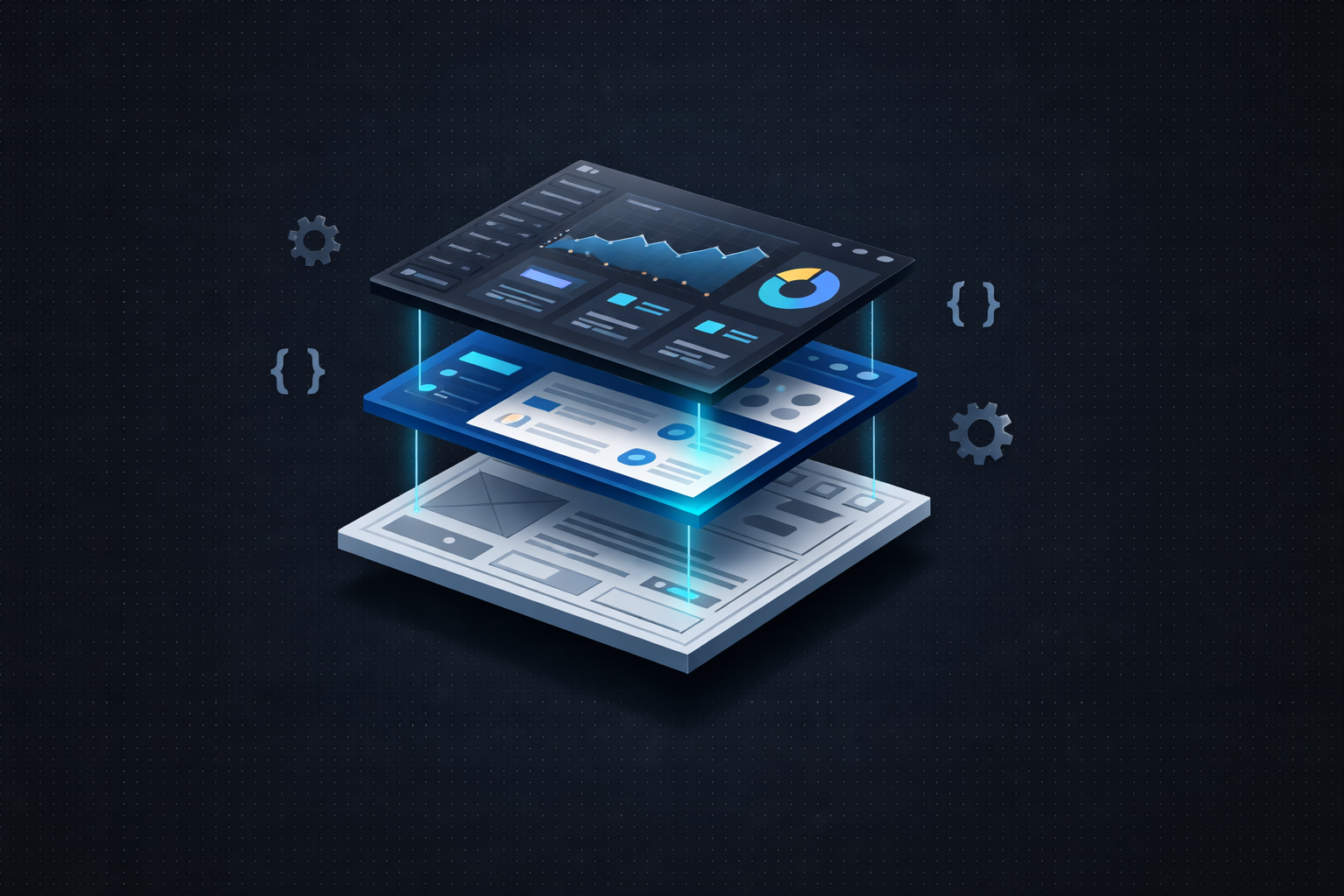
The SaaS industry isn't slowing down — 80% of businesses already rely on at least one SaaS application, and the market continues to expand year over year. But here's the reality check: companies growing at only 20% annually face just an 8% survival rate. Execution in the early stages doesn't just matter — it's everything.
At SyntaxErreur, we've helped founders go from napkin-sketch ideas to revenue-generating SaaS products. This guide distills what we've learned into a practical, stage-by-stage breakdown you can actually follow.
Companies growing at only 20% annually face just an 8% survival rate. Execution in the early stages doesn't just matter — it's everything.
What Exactly Is a SaaS Product?
A SaaS (Software as a Service) product is cloud-based software that users access through the internet — no downloads, no installations, no hardware headaches. Whether it's a solo founder tracking leads or an enterprise managing thousands of employees, SaaS products scale to fit the need.
Most B2B SaaS products operate on a subscription model — monthly or annual billing where the provider handles all updates, maintenance, and infrastructure. This means your users always get the latest version without lifting a finger.
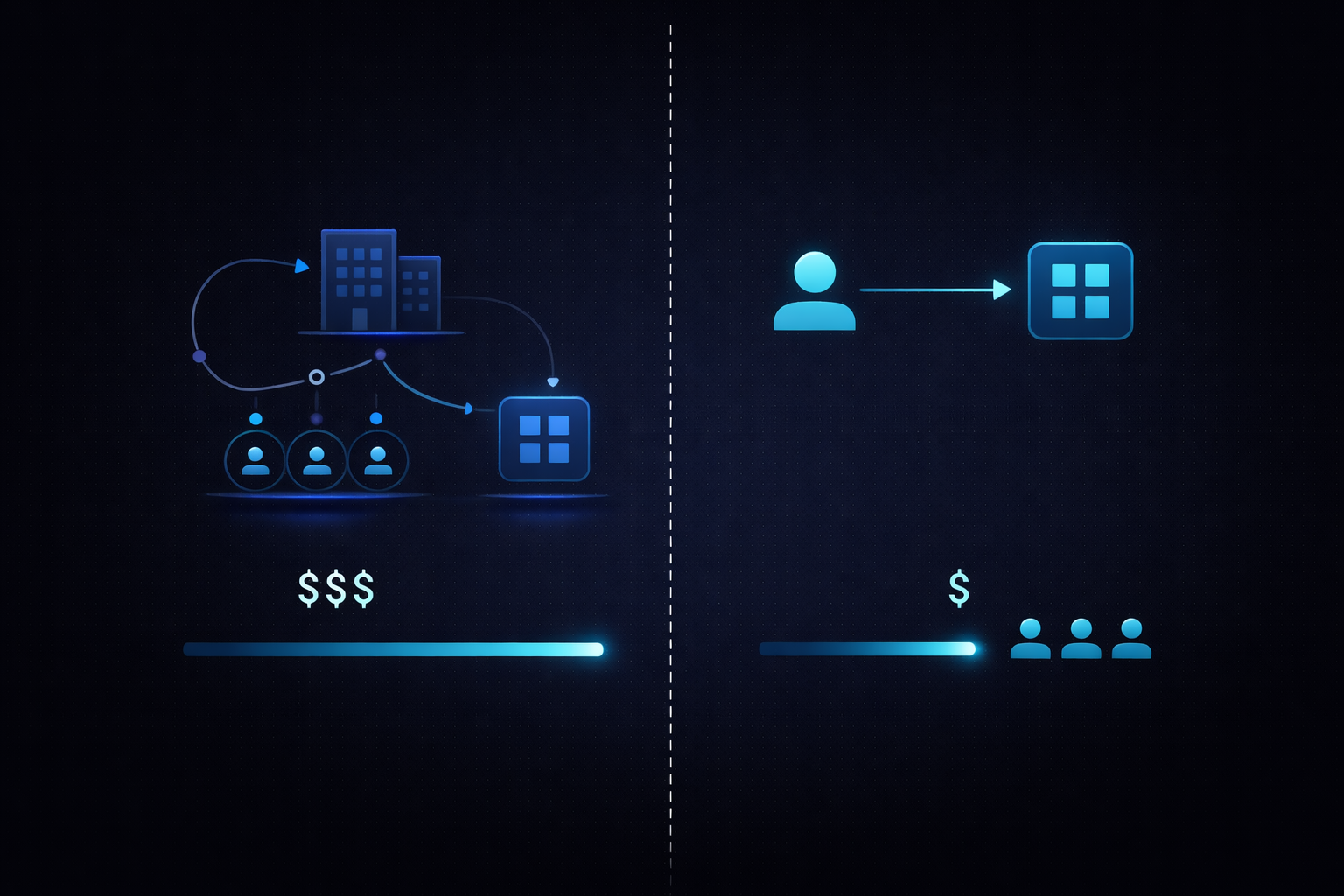
B2B vs B2C SaaS — Know Your Lane
B2B SaaS focuses on streamlining business operations — think CRMs, project management tools, and ERP systems. The sales cycles are longer, but so is customer lifetime value.
B2C SaaS targets individual users and personal needs — apps like Notion for note-taking or Canva for design. Shorter sales cycles, higher churn, and growth is often product-led.
Popular SaaS Categories in 2025
- CRM Platforms — Salesforce, HubSpot
- ERP Systems — Oracle NetSuite, Microsoft Dynamics
- HR Management — BambooHR, Workday
- Project Management — Trello, Asana, ClickUp
- Financial Tools — QuickBooks, Xero
- Collaboration — Slack, Microsoft Teams, Zoom
- eCommerce — Shopify, BigCommerce
Why Build a SaaS Product?
1. Ship Fast, Iterate Faster
Cloud-based architecture means you can push updates, test features, and roll back changes without disrupting your users. No app store approvals, no forced update prompts — just continuous delivery.
2. Predictable, Recurring Revenue
Subscription models give you the financial visibility that one-time sales never will. Monthly recurring revenue (MRR) lets you forecast growth, plan hiring, and invest in product development with confidence.
Monthly recurring revenue (MRR) lets you forecast growth, plan hiring, and invest in product development with confidence.
3. Lower Infrastructure Costs
Multi-tenant architecture means you're sharing infrastructure across customers, dramatically reducing per-user costs. No expensive per-seat licensing, no hardware provisioning — just efficient, scalable infrastructure that grows with demand.
4. Superior Performance at Scale
Centralized servers mean reduced latency and faster communication between your system and users. Compared to traditional on-premise software, SaaS products deliver consistently better performance as you scale.
The Real Challenges of SaaS Development
Building a SaaS product isn't just about writing code. Here's what catches most founders off guard:
Third-Party Integration Complexity
Your users will expect your product to play nicely with their existing stack. But every external system uses different APIs, data formats, and authentication methods. Building reliable, maintainable integrations is one of the most underestimated costs in SaaS development.
Zero-Downtime Expectations
SaaS users expect 24/7 availability. Even brief outages cause revenue loss, erode trust, and can violate SLAs. You need robust deployment pipelines, health monitoring, and failover strategies from day one.
Subscription Lifecycle Management
Onboarding, billing, upgrades, downgrades, renewals, cancellations, dunning — the subscription lifecycle is a web of interconnected processes. Getting any piece wrong directly impacts churn.
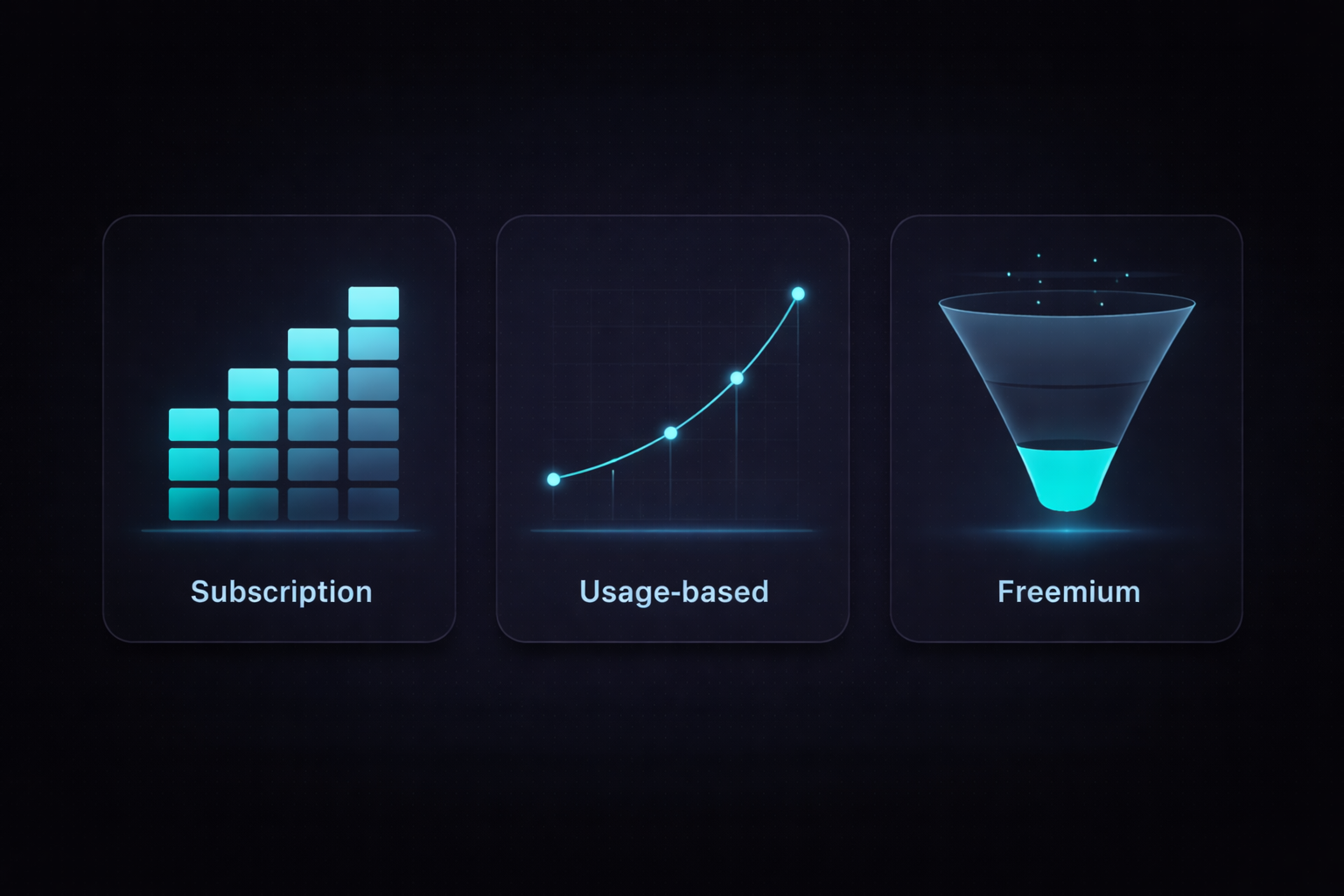
Pricing Strategy
Freemium? Tiered? Usage-based? Per-seat? Your pricing model isn't just a business decision — it affects your product architecture, your infrastructure costs, and your go-to-market strategy.
The 4 Essential Stages of SaaS Product Development
At SyntaxErreur, we follow a proven four-stage framework that balances speed with quality. Here's how it works:
Discover & Define
Before writing a single line of code, you need clarity on what you're building and why.
Market Research: Conduct user interviews, analyze competitors, review industry trends to validate feasibility and timing.
Product Scope: Define core features, assess technical architecture, build a phased roadmap. Think MVP first.
Design
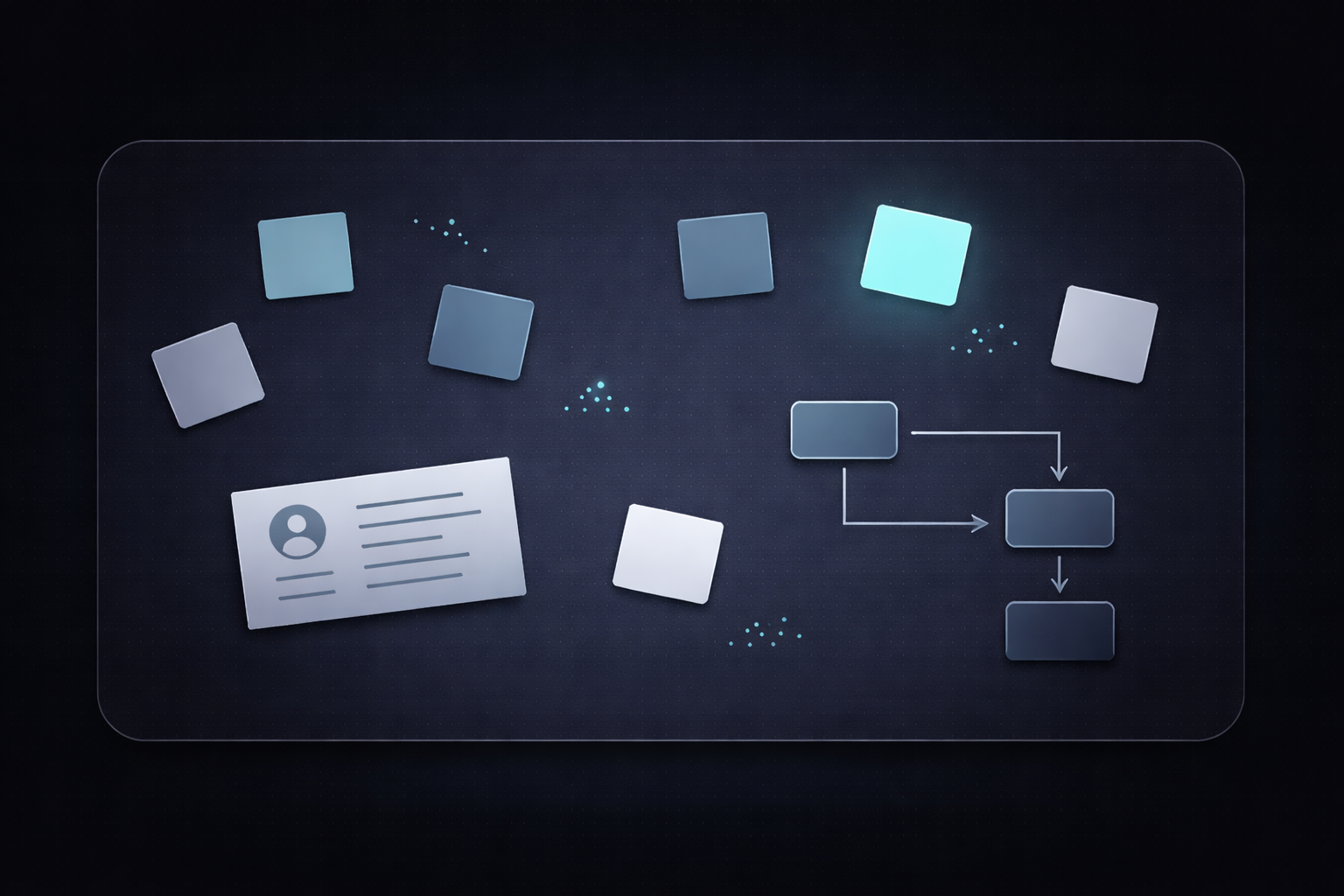
Great SaaS products are defined by their user experience. This stage translates business logic into intuitive interfaces.
Deliverables: User flow diagrams, information architecture, wireframes, design system, interactive prototypes.
Testing: Usability testing, A/B testing, heuristic evaluation, rapid iteration from real user feedback.
Development
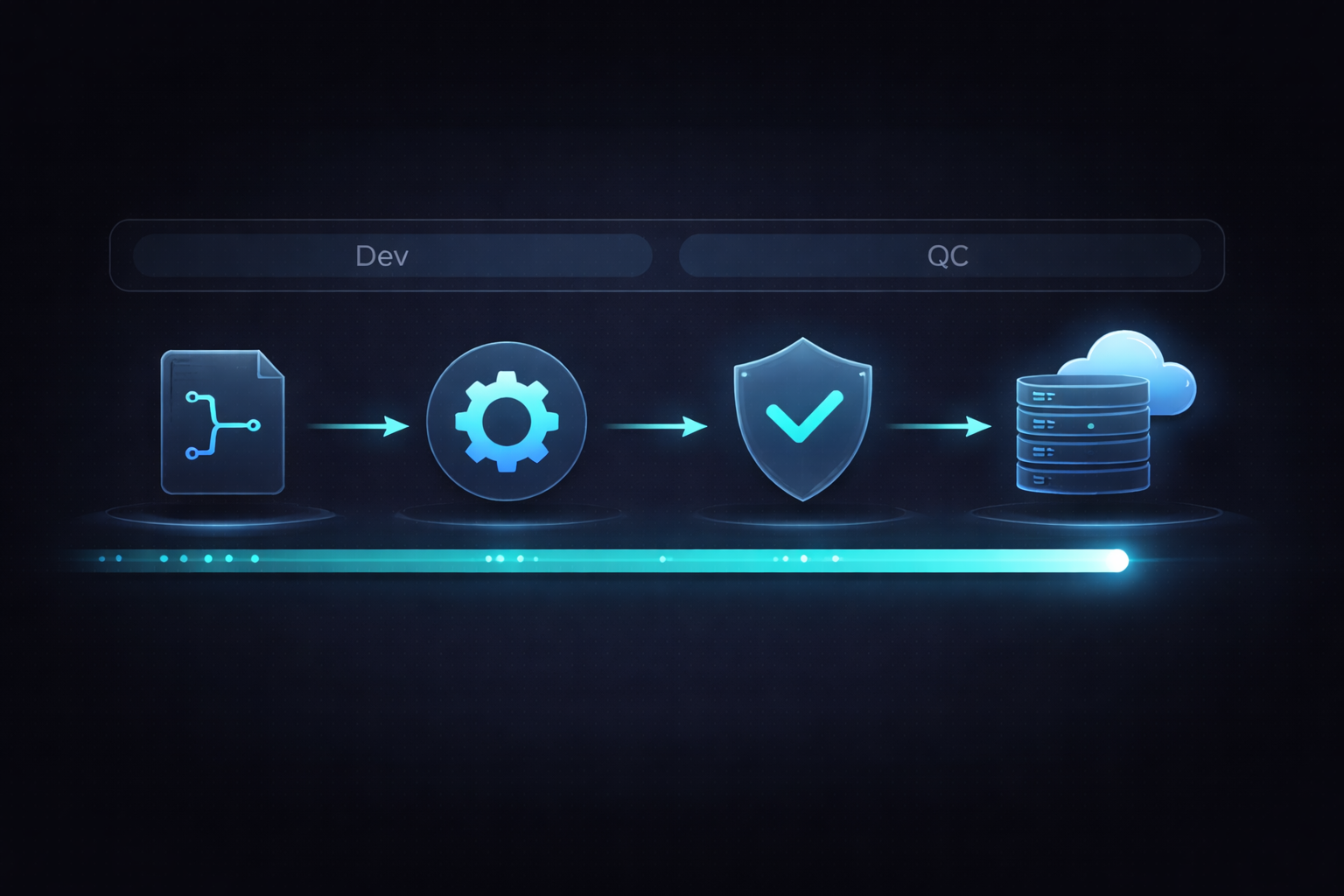
This is where your product takes shape. We set up two parallel environments:
Development Environment: Cloud infrastructure with CI/CD pipelines, security layers. Backend and frontend teams work in parallel sprints.
Quality Control: Dedicated QC environment where every feature is tested against specs before reaching users.
Deploy & Scale
Launching is just the beginning. What you do after launch defines your trajectory.
Launch: Streamlined onboarding, aligned messaging, infrastructure load-tested for production.
Post-Launch: Monitor usage analytics, resolve issues before they compound, gather feedback to guide your roadmap.
Ready to Build Your SaaS Product?
Building a successful SaaS product requires the right balance of vision, technical execution, and iteration speed. The founders who win aren't necessarily the ones with the best idea — they're the ones who execute fastest and adapt smartest.
At SyntaxErreur, we partner with founders to take SaaS products from concept to market — handling product strategy, UI/UX design, full-stack development, and deployment. If you're ready to build, let's talk.
Written by SyntaxErreur Team
We build AI-powered SaaS products for founders — from strategy and design to development and scale.
Related Posts
Have a SaaS idea? Let's build it together.
Book a free 30-minute strategy call with our team and get a clear roadmap for your product.